Get Chimney Inspection Service in Short Hills, NJ
Chimney Inspection Service providers in Short Hills, NJ, identify and resolve issues like blockages, creosote buildup, and structural damage through comprehensive inspections and repairs.
Chimney inspection services provide property owners in Short Hills, NJ with essential evaluations to ensure their chimneys are functioning properly and safely. Regular inspections help identify potential issues such as blockages, creosote buildup, or structural damage before they develop into costly repairs or safety hazards. By maintaining a clear and well-maintained chimney, homeowners can enjoy peace of mind knowing their heating system operates efficiently and reliably, especially during colder months.
In addition to safety, chimney inspections contribute to the overall durability and curb appeal of a property. A thorough assessment can reveal areas where repairs or maintenance may be needed to prevent deterioration over time, reducing long-term upkeep costs. Well-maintained chimneys also enhance the aesthetic appeal of a home, making it more attractive to visitors or potential buyers. Engaging experienced local service providers ensures that these inspections are comprehensive and tailored to the specific needs of properties in Short Hills, NJ.
- Chimney Inspection - Needed when homeowners suspect buildup or damage after a fire or storm.
- Chimney Flue Inspection - Recommended before installing a new heating appliance or after experiencing draft issues.
- Chimney Crown Inspection - Important if cracks or deterioration are visible on the chimney cap or crown.
- Chimney Liner Inspection - Essential when signs of corrosion or blockages are present to ensure proper venting.
- Chimney Exterior Inspection - Necessary if there are visible cracks, spalling, or water damage on the chimney exterior.
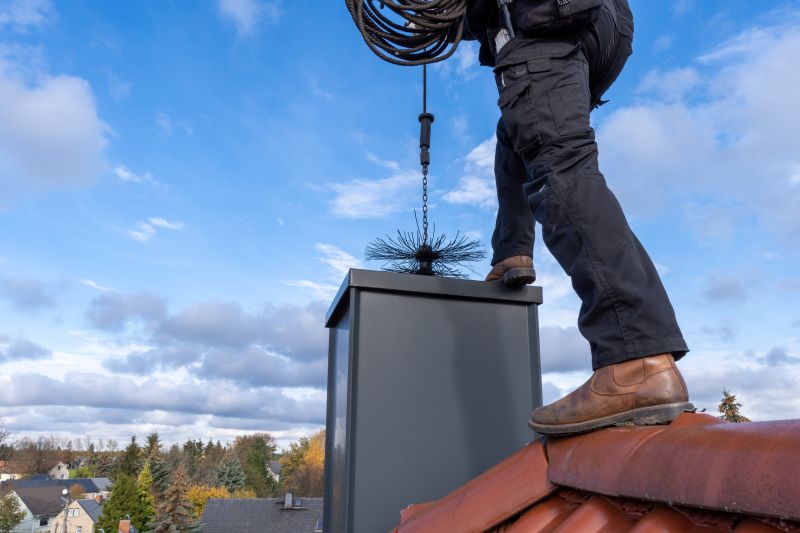
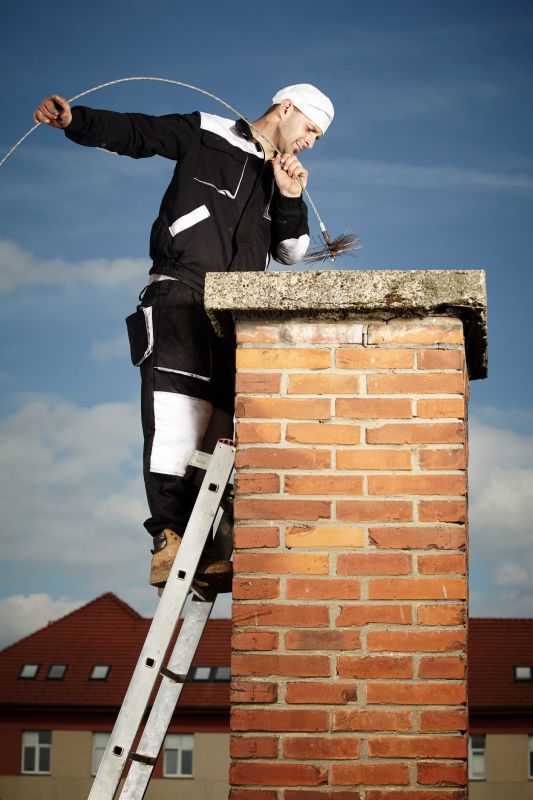
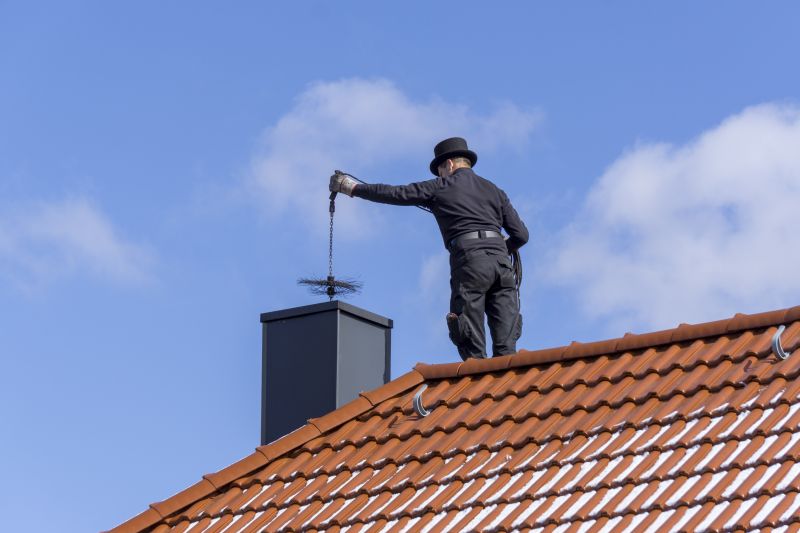
Chimney inspection services involve a thorough assessment of a chimney’s condition to identify potential issues that could affect safety and performance. These inspections typically include examining the interior and exterior of the chimney, checking for structural damage, creosote buildup, blockages, or signs of deterioration. Many service providers utilize specialized tools, such as cameras, to gain a detailed view of the chimney’s interior, ensuring that no hidden problems are overlooked. Regular inspections are recommended to maintain the integrity of the chimney and to prevent issues from escalating into more costly repairs or safety hazards.
These services help address common chimney problems like creosote accumulation, which can increase the risk of chimney fires, and structural issues such as cracked or damaged masonry that could lead to leaks or collapse. Inspections also help detect obstructions, like bird nests or debris, that can impede proper venting of smoke and gases. Identifying these issues early allows property owners to schedule necessary repairs or cleanings before they develop into more serious concerns, contributing to the safe and efficient operation of the fireplace or stove.
Chimney inspection services are utilized by a variety of property types, including residential homes, multi-family dwellings, and commercial buildings with fireplaces or heating systems that vent through chimneys. Homes in areas with high snowfall or frequent storms often require regular inspections to ensure that weather-related damage does not compromise the chimney’s structure. Additionally, properties that have not been inspected in several years or have experienced recent renovations are good candidates for professional assessments to confirm the chimney’s safety and functionality.
Engaging professional chimney inspectors provides property owners with peace of mind by ensuring that their chimneys are in proper condition. Service providers typically offer comprehensive evaluations that can reveal issues not visible to the untrained eye, helping prevent potential hazards such as fires, smoke leaks, or carbon monoxide intrusion. Regular inspections are an essential part of maintaining the safety, efficiency, and longevity of chimney systems across diverse property types, ensuring they operate safely and effectively for years to come.
The overview below groups typical Chimney Inspection Service projects into broad ranges so you can see how smaller, mid-sized, and larger jobs often compare in Short Hills, NJ.
In many markets, a large share of routine jobs stays in the lower and middle ranges, while only a smaller percentage of projects moves into the highest bands when the work is more complex or site conditions are harder than average.
Inspection Cost - The typical expense for a chimney inspection ranges from $100 to $300, depending on the size and condition of the chimney. For example, a basic visual inspection in Short Hills, NJ, might cost around $150.
Level 1 Inspection Fees - A standard Level 1 inspection generally costs between $100 and $200, with prices varying based on chimney accessibility and local rates. Some service providers may charge closer to $180 for comprehensive assessments.
Level 2 Inspection Charges - More detailed Level 2 inspections usually fall within the $200 to $400 range, especially if additional equipment such as video scanning is involved. Costs can differ based on chimney complexity and location.
Additional Service Costs - Extra services like cleaning or repairs are typically billed separately, with inspections often serving as a prerequisite. Expect to pay around $50 to $150 for supplementary assessments or minor repairs in the Short Hills area.
Actual totals will depend on details like access to the work area, the scope of the project, and the materials selected, so use these as general starting points rather than exact figures.
Chimney Inspection - Professional chimney inspection services help identify potential issues such as blockages, creosote buildup, or structural damage, ensuring safe and efficient operation.
Pre-Installation Inspection - Prior to installing new appliances or chimney components, inspections verify that the existing chimney system meets safety and code requirements.
Routine Maintenance Checks - Regular inspections by local pros assist in maintaining chimney performance and detecting early signs of wear or deterioration.
Damage Assessment - When chimney problems arise, inspection services evaluate the extent of damage to determine necessary repairs or replacements.
Ventilation System Evaluation - Inspectors assess chimney ventilation to ensure proper airflow and prevent hazardous buildup of smoke or gases.
Emergency Inspection Services - In cases of chimney fire or structural failure, immediate inspections help determine safety risks and guide repair decisions.
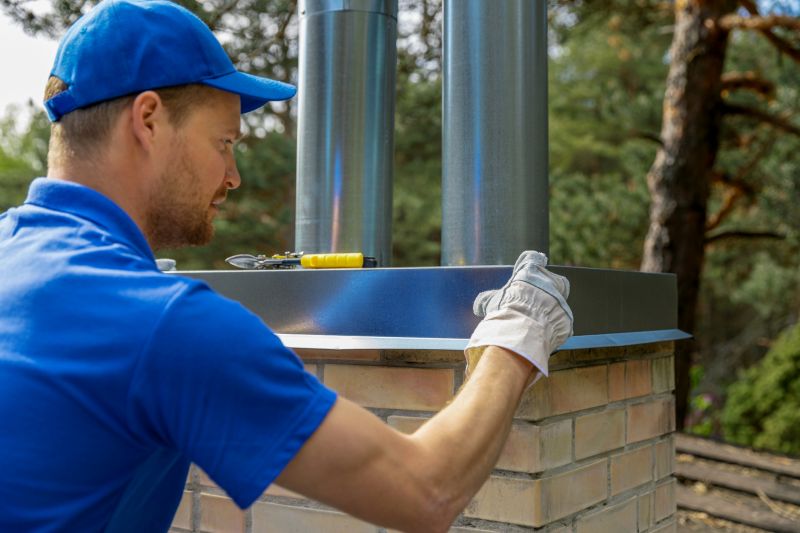
When evaluating chimney inspection services, it is important to consider the experience and reputation of local professionals. Homeowners should look for service providers with a proven track record in chimney inspections, ideally those who have been serving the community for several years. Reputable references or reviews from previous clients can offer insight into the quality of work and reliability of the pros. While experience alone is not enough, it often correlates with a better understanding of common issues and proper inspection techniques, helping ensure thorough assessments.
Clear communication and well-defined written expectations are key factors when selecting a chimney inspection service. Pros who provide detailed descriptions of their inspection process, scope of work, and any follow-up recommendations can help homeowners feel more confident in the service. Open lines of communication also facilitate questions and clarifications, which are essential for understanding the findings and any necessary repairs. Homeowners should seek professionals who are transparent about their procedures and willing to address concerns promptly.
It is equally important to choose local service providers with a solid reputation for professionalism and customer service. Reputable references from neighbors or community members can serve as valuable indicators of trustworthy pros. Additionally, homeowners are encouraged to inquire about how the pros communicate throughout the process, including scheduling, updates, and post-inspection reports. Since the information below connects homeowners with local chimney inspection service providers, it is recommended to contact multiple options to compare their experience, communication style, and reputation before making a decision.
Property owners in Short Hills, NJ use Chimney Inspection Service services for practical projects around their homes and businesses. The sections below highlight everyday jobs and straightforward project options.
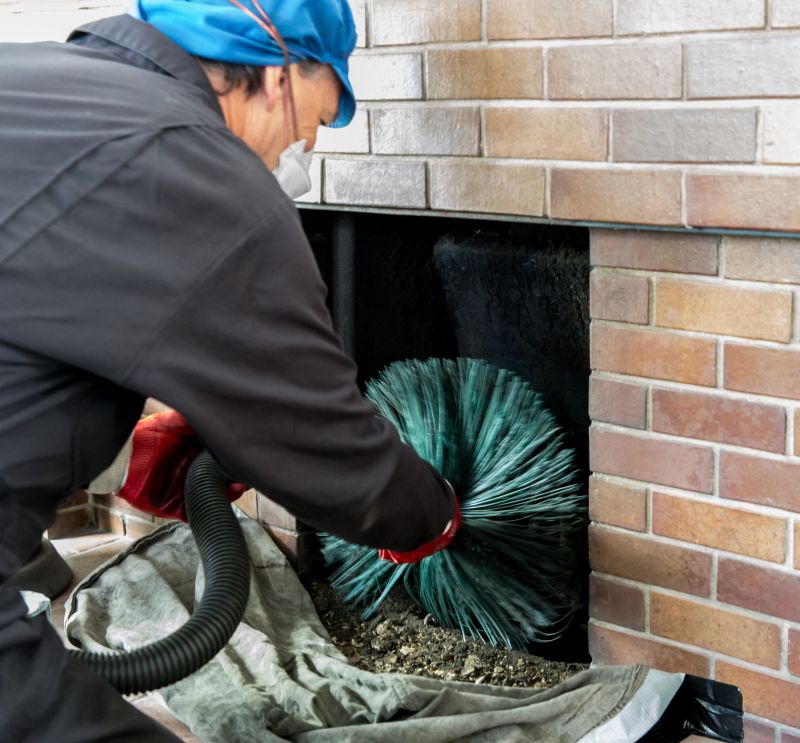
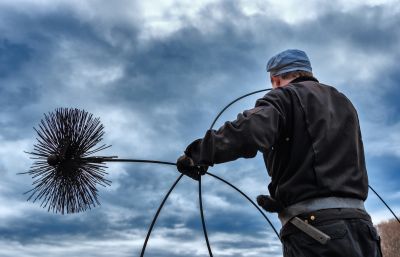
Chimney inspection services are commonly sought after by property owners in Short Hills, NJ, who want to ensure their fireplaces and heating systems are functioning safely and efficiently. Homeowners may request inspections when preparing for the colder months, noticing signs of creosote buildup, or experiencing issues with smoke ventilation. Regular assessments can help identify potential problems early, preventing costly repairs and maintaining proper chimney performance.
Additionally, property owners may look for chimney inspections after experiencing weather events such as storms or heavy snowfall, which can cause damage or blockages. Those planning home renovations or installing new heating appliances often require professional evaluations to confirm the chimney’s condition and compliance. Engaging with local pros for these inspections can provide peace of mind and help uphold safety standards within residential properties.
What is involved in a chimney inspection? A chimney inspection typically includes examining the chimney structure, looking for creosote buildup, blockages, and any damage that could affect safety or performance.
How often should I schedule a chimney inspection? It is recommended to have a chimney inspected annually, especially before the heating season or after any significant weather events.
What are signs that my chimney needs an inspection? Visible creosote buildup, smoking issues, odors, or if the chimney has experienced damage or blockages are signs that an inspection may be necessary.
What types of chimney inspections are available? There are generally three levels: visual exterior inspection, interior inspection with a camera, and a more detailed assessment if issues are suspected.
Why is regular chimney inspection important? Regular inspections help identify potential hazards early, ensure proper functioning, and maintain safety during use.
Chimney Inspection Services - Professional chimney inspection providers can assess the condition of a chimney to identify potential issues before they become costly repairs.
Visual and Structural Checks - Local pros perform thorough visual examinations to detect cracks, blockages, or deterioration within the chimney system.
Safety and Functionality Assessments - Service providers evaluate chimney safety features and ensure proper venting to maintain efficient operation.
Inspection Reports and Recommendations - Experts provide detailed reports outlining findings and suggest necessary maintenance or repairs for optimal chimney performance.
Considering Chimney Inspection Service for a property in Short Hills, NJ? The sections above highlight common project types, practical options, and details that often shape the scope of work.
When you are ready, use the quote form to share a few details about your project. Local pros can review the basics and respond with options that match what you have in mind.